



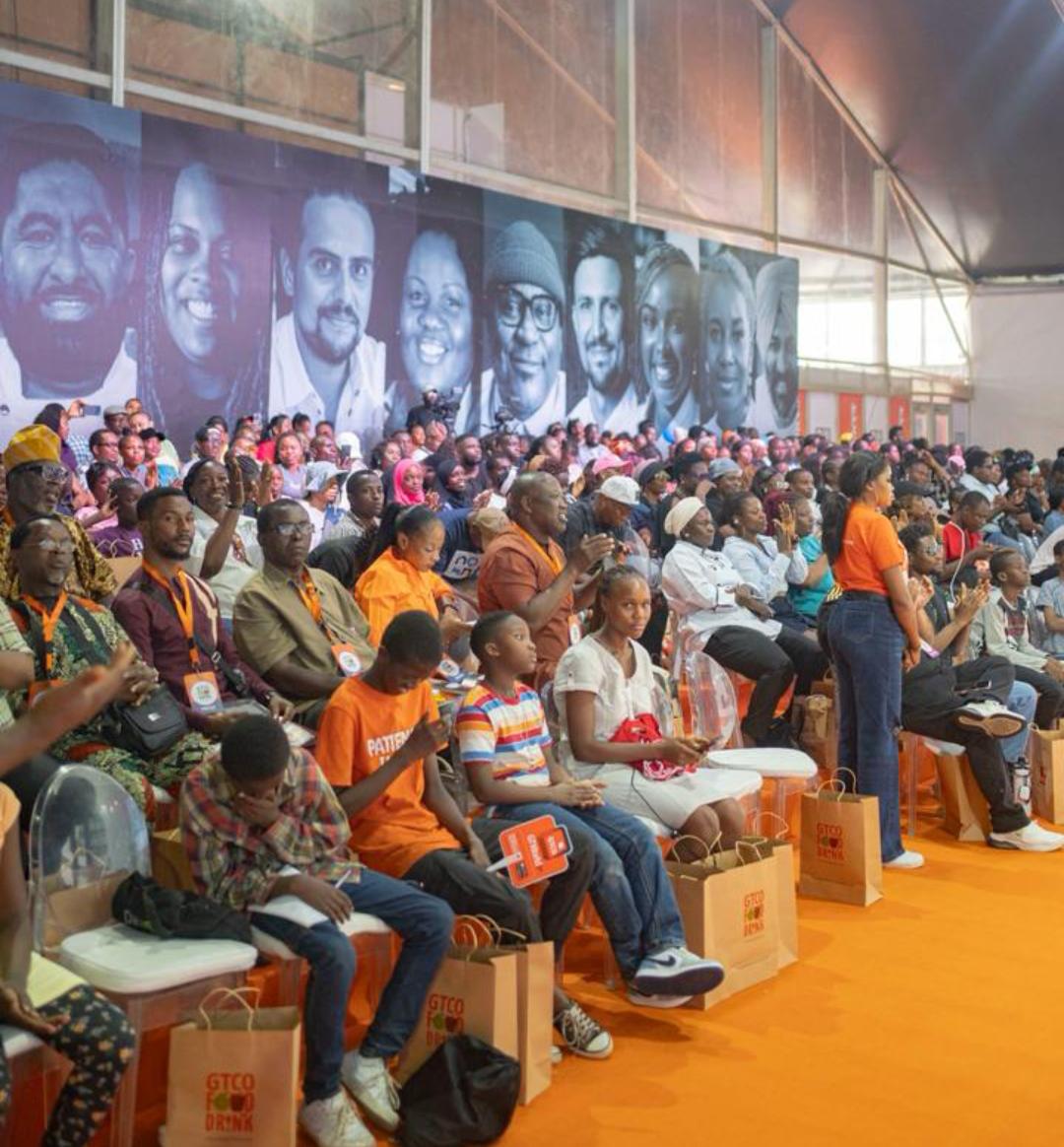
The 2026 edition of the GTCO Food and Drink Festival has reinforced its standing as a powerful catalyst for small business growth and cultural expression, drawing thousands of visitors into a vibrant, family-friendly celebration that blends enterprise with entertainment.
Held from May 1 to May 3, the three-day festival delivered more than a culinary showcase; it offered a dynamic marketplace where small and medium-scale enterprises (SMEs) connected directly with consumers, while also benefiting from visibility, networking opportunities, and institutional support. From live cooking demonstrations to masterclasses led by renowned chefs, the event underscored the evolving sophistication of Nigeria’s food ecosystem.
Beyond gastronomy, the festival unfolded as a spectacle of style and leisure. Guests were immersed in an energetic atmosphere featuring music, games, and a dedicated children’s play arena-elements that elevated the experience into a holistic social gathering.
A representative of Guaranty Trust Holding Company (GTCO) noted that the festival aligns with the Group’s broader commitment to promoting enterprise and projecting African culture onto the global stage, a vision increasingly reflected in the diversity and ambition of participating vendors.
For many entrepreneurs, the festival proved transformative.
Chief Executive of Squeeze Juice, Seun Oyemade, described her debut participation as “awesome,” highlighting the influx of new and returning customers. “We’ve met people from across the world, including our online customers who came to connect physically. GTCO has created something remarkable-especially for small businesses like ours,” she said, adding that the platform’s accessibility, particularly its cost-free participation, remains a significant incentive.
Similarly, Ndidiamaka Dennis, founder of Ndilicious Meals, framed the event as both a commercial and branding opportunity. While her business-known for Nigerian staples such as jollof rice and chicken sliders-has largely operated online, the festival enabled face-to-face engagement. “It’s a beautiful experience. We are here to serve, to sell, and to connect. For a growing brand, this kind of exposure is invaluable,” she noted.
From Port Harcourt, Chima Nwogu of House of Boli travelled to Lagos for the first time to participate, describing the reception as “overwhelmingly positive.” He affirmed that the journey was commercially worthwhile, with strong sales and enthusiastic customer feedback reinforcing his intention to return for future editions.
Not all vendors measured success purely in revenue. Kehinde Omojuyigbe, CEO of The Fufu Factory, emphasised brand positioning over immediate sales. While acknowledging modest earnings, she pointed to the festival’s role in amplifying visibility and reshaping perceptions of African cuisine. “Our mission is to elevate African food to global fine dining standards. Packaging, hygiene, and presentation are central to that vision,” she explained.
Omojuyigbe further highlighted the innovation behind her products, including shelf-stable fufu that can last up to two weeks without refrigeration and up to three months when refrigerated-manufactured under stringent regulatory standards. Her ambition, she said, is to see African food embraced globally, from Lagos to New York, as a premium culinary choice.
Collectively, vendor experiences reflect a broader narrative: the GTCO Food and Drink Festival is not merely an event, but an economic and cultural platform-one that continues to bridge gaps between local enterprise and global aspiration.
As the 2026 edition draws to a close, its impact lingers-not only in the memories of attendees but in the strengthened prospects of the businesses it has helped to elevate.
