



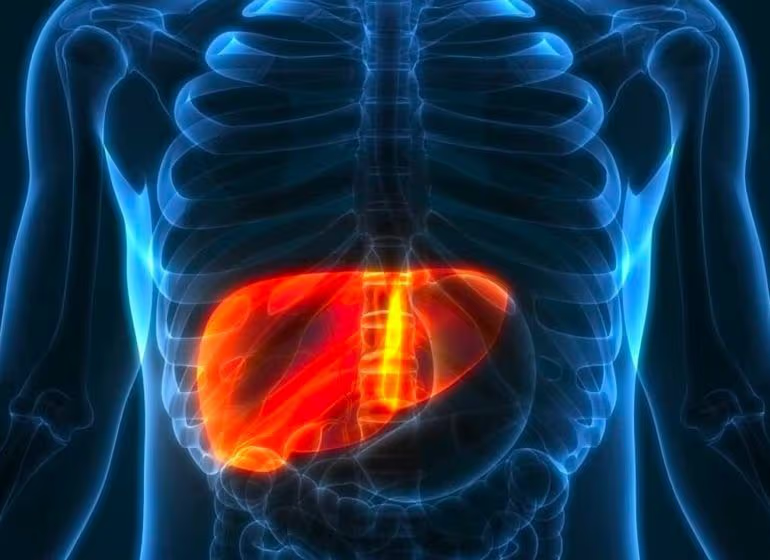
As we take steps toward becoming better and more health-conscious, the liver is often overlooked compared to organs like the heart and kidneys.Yet, the liver plays a vital role in keeping the body functioning properly, from filtering toxins to supporting digestion and metabolism.
However, poor diet, alcohol consumption, and unhealthy lifestyle habits can put it under strain. While no single food can “cleanse” the liver, certain foods can support its function and help maintain overall liver health.
Without further ado, here are foods you need in your diet to maintain your liver health.
Oatmeal is one of the major foods beneficial for the liver, largely due to beta-glucan, a soluble fibre in oats that helps reduce liver fat, lower cholesterol, and decrease inflammation.
It is also rich in fibre, which supports healthy digestion and may help reduce fat buildup around the liver.
An animal study found that oats lowered blood sugar, bad cholesterol, fats, and fat accumulation in the liver while helping the body burn fat more effectively.
According to the researchers, oats may help improve liver health and reduce the risk of obesity and other metabolic disorders.
Vegetables
You need to add plenty of vegetables to your diet if you want to keep your liver healthy.Vegetables such as spinach, ugu, kale, scent leaf, and bitter leaf are rich in antioxidants and chlorophyll, which help the liver remove toxins from the body.
Several studies have found that diets rich in vegetables are linked to a lower risk of developing non-alcoholic fatty liver disease (NAFLD). One study particularly found that the effect was more noticeable in women and people who were not obese.
Another study found that eating more vegetables was associated with lower chances of developing metabolic dysfunction-associated fatty liver disease (MAFLD).
Fatty fish
Fatty fish like salmon, sardines, and mackerel are good for the liver because they are rich in omega-3 fatty acids.
These omega-3 fats help reduce inflammation and lower excess fat buildup in the liver. They can also improve liver enzyme levels and support overall liver function, especially in people with non-alcoholic fatty liver disease (NAFLD).
Many studies also show that omega-3 fatty acids (EPA and DHA) in fatty fish help reduce liver fat, lower inflammation, and improve blood fat levels.
These effects are important for preventing or managing fatty liver disease.
Nuts are rich in important nutrients such as healthy fats, antioxidants, and vitamin E.
Walnuts, almonds, and hazelnuts are especially beneficial for liver health. Their nutrient content is linked to a lower risk of non-alcoholic fatty liver disease (NAFLD), particularly in men.
Beetroot is rich in antioxidants called betalains, which may help reduce inflammation and protect the liver from damage.
In animal studies, beetroot juice helped reduce liver damage caused by harmful chemicals and radiation. It worked by lowering inflammation, reducing cell damage, and boosting the body’s natural antioxidant defences.
Overall, the studies suggest that beetroot has protective effects on the liver because it helps fight inflammation, oxidative stress, and cell injury.
Berries
Berries such as blueberries and cranberries contain antioxidants called anthocyanins, which give them their rich colour and provide health benefits.
These antioxidants help reduce inflammation in the liver, prevent fat buildup, and protect liver cells from damage caused by oxidative stress.
A 2021 study also found that taking cranberry supplements for six months helped improve fatty liver disease in people with non-alcoholic fatty liver disease (NAFLD).
Thecable
